


UPDATE: Prior to publication, Gallup released their monthly survey data, bringing our CSI down a bit more to -12.3.
Consumers are not feeling particularly optimistic about the economy right now.
Following the latest University of Michigan consumer sentiment release, the HDR Analytics Consumer Sentiment Index (CSI) has now fallen to its lowest level in over a decade, registering at -12.1. The newest UMich survey showed headline consumer sentiment falling to 44.8, one of the weakest readings in the history of the survey.
Historical values for the HDR Analytics CSI:
And honestly, this feels pretty indicative of where Americans are mentally right now when it comes to the economy.
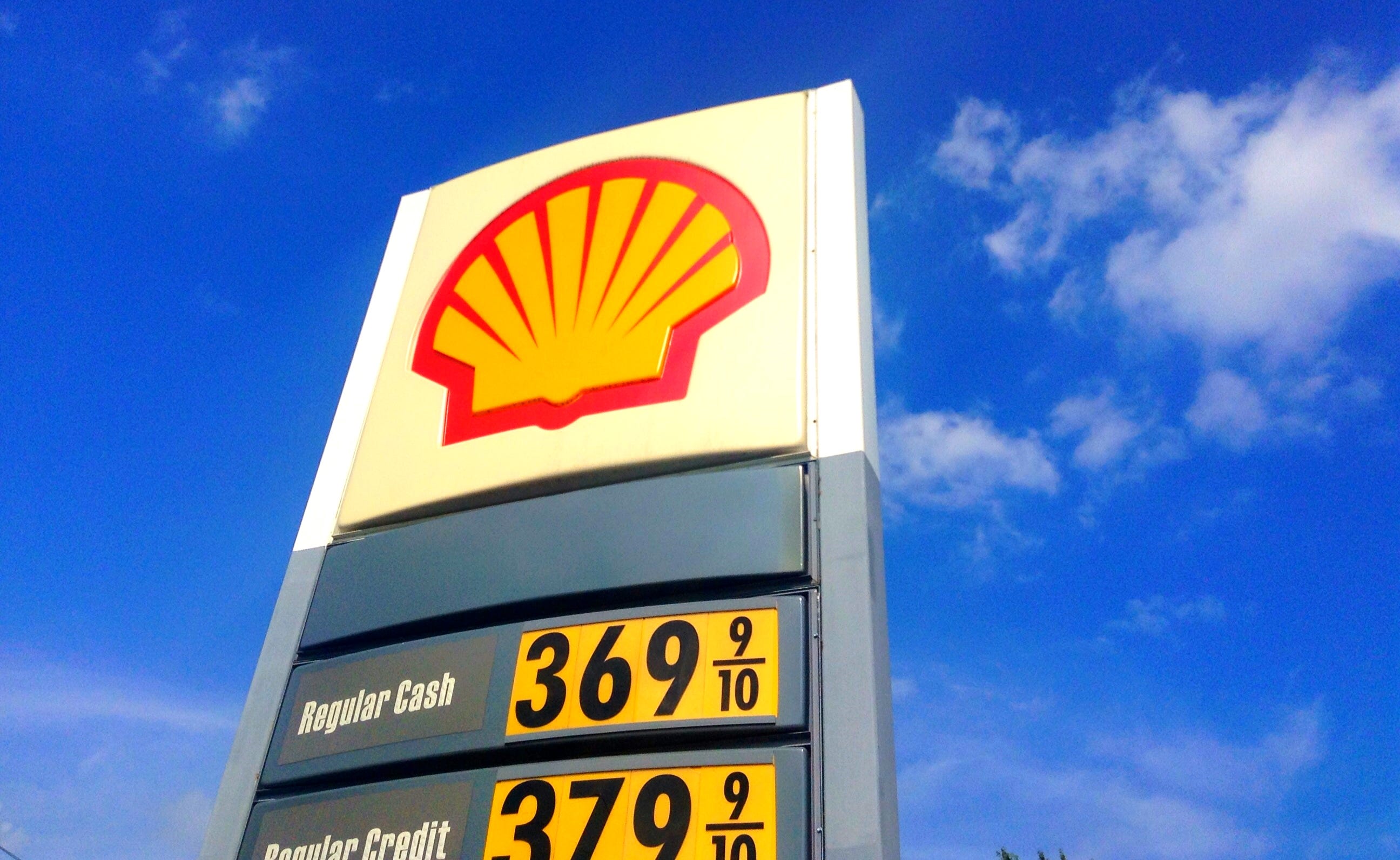
Over the last few years, we’ve seen wave after wave of inflation, and while the rate of inflation itself cooled somewhat from the 2022 peak, we never really got the “everything feels normal again” moment many were hoping for. Housing remains incredibly expensive, grocery prices are still elevated, and now gas prices are experiencing a massive surge again as the Iran war creates instability in global oil markets.
That last part especially matters for consumer confidence. People may not follow CPI reports or Federal Reserve meetings closely, but they notice when it suddenly costs $75 to fill up their tank.
National gas prices have climbed sharply over the last several weeks, with some forecasts now expecting further increases if tensions continue escalating in the Middle East. Car and Driver finds that national fuel prices are also at a four-year high.
The latest UMich survey also showed concerning numbers for inflation expectations. Once consumers start expecting inflation to stay elevated long-term, it becomes significantly harder for the Fed to fully stabilize prices without keeping interest rates higher for longer.
To be clear, none of this necessarily means the economy will collapse tomorrow. Unemployment is still relatively low, and broader economic growth has held up better than many expected with Trump’s tariffs (although those have largely been struck down by the courts). But consumers clearly feel anything but confident right now, and sentiment itself matters because it directly affects spending behavior, large purchases, and overall economic activity moving forward.
Between inflation, interest rates, housing costs, and now geopolitical uncertainty, consumers are still waiting for the sense that things are finally getting easier. And according to the CSI, they are not anywhere near that feeling yet.